
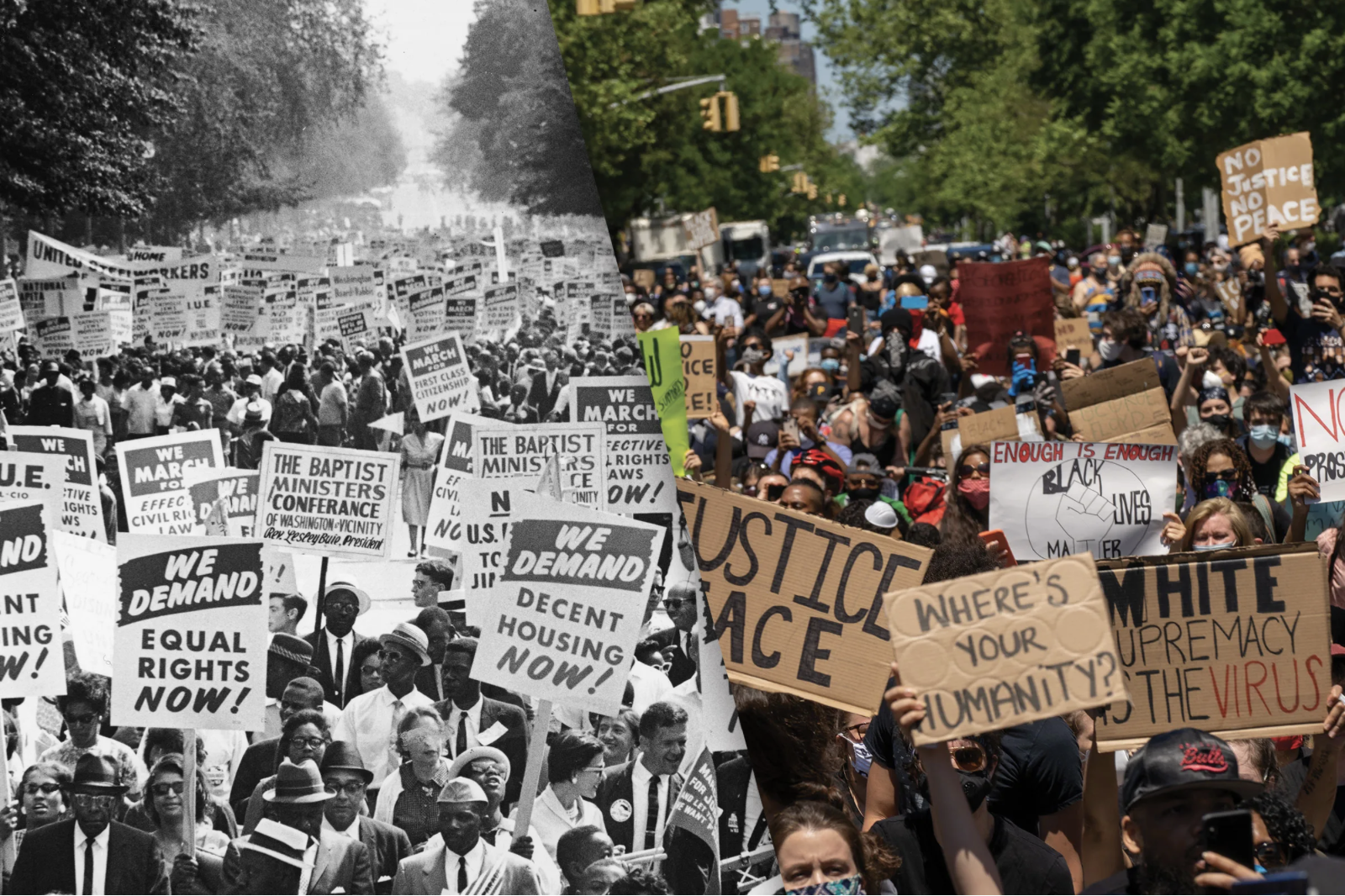
From Rights to Lives Panel Discussion
Join me, book editors Francoise Hamlin and Charles McKinney and fellow authors Peter Pihos and Althea Legal-Miller for an important discussion on the connections between Civil Rights Movement and the #BlackLivesMatter movement
The mass Civil Rights Movement was both a local and national movement, one that profoundly shaped a wide array of institutions, American culture and the nation’s political terrain. While the movement fundamentally altered many aspects of Black life, the enduring nature of racial inequality continues to delimit the possibilities and potentials surrounding the full expression of Black Humanity. Since 2012, the #BlackLivesMatter movement has challenged the deeply interconnected forms of racial oppression in American society. #BLM highlighted the growth and development of a new era of movement building and struggle, one that continues to grow, evolve, and contend with the protean nature of white supremacy
Featured panelists and chapter descriptions:
Charity Clay - “Sincerely, Your Grandparents’ Hands” addresses conflicts between Black youth of #BlackLivesMatter and their Civil Rights Movement elders, by elucidating the similarities between these generations for broad audiences. It unpacks master narrative myths of the Civil Rights Movement’s messiah leadership and passive nonviolence by presenting counternarratives of decentralized local leadership and armed self-defense. Highlighting the similarities between the two generations that can guide future movements to embrace intergenerational solidarity
Althea Legal-Miller - “We may have to defend ourselves” uses two campaigns, fifty years apart, to explore Black women’s organizing against sexual violence committed by law enforcement. By juxtaposing a 1963-1964 campaign led by Dorothy Height with a 2014-2015 campaign led by artist-activists Grace Franklin and Candace Liger, this paper facilitates consideration of how Black women have long confronted the state’s pernicious determination to fortify itself, often at the expense of Black women’s bodies. While avoiding broad generalizations, these two case studies provide a pathway for analyzing continuity and change.
Charles McKinney - “Memphis: Miraculous, Magnificent, and Messy,” grapples with the continuities and discontinuities in the Black Freedom Struggle in Memphis. Events there revealed more than simply the recurring theme of police brutality, Black death and rage, and mass-based movement. The strategy, the wins, the losses, the coalition-building effort, the stuff of movement work is often lost in the breezy stories constructed about Black Freedom that reduce the calculus of social change to the simple arithmetic of marching, chants, and confrontation. This paper will contend with the long struggle for freedom and how that work is being made manifest amidst fresh challenges to the life and safety of Black folks in the Bluff City.
Peter Pihos - “Good Cops?” addresses the changing nature of police institutions by comparing their interaction with social movements across time. During the 1960s, Black rank-and-file police officers formed the Afro-American Patrolmen’s League and used it to challenge their own department. Like Black Lives Matter activists, the League saw policing as political, drew upon the knowledge of residents, and deployed a repertoire of confrontational tactics to challenge racism and brutality of policing. No group of police would take up these positions today, not because they are incompatible with a transcendent police role, but because of the increasing impermeability and political homogeneity of police departments.
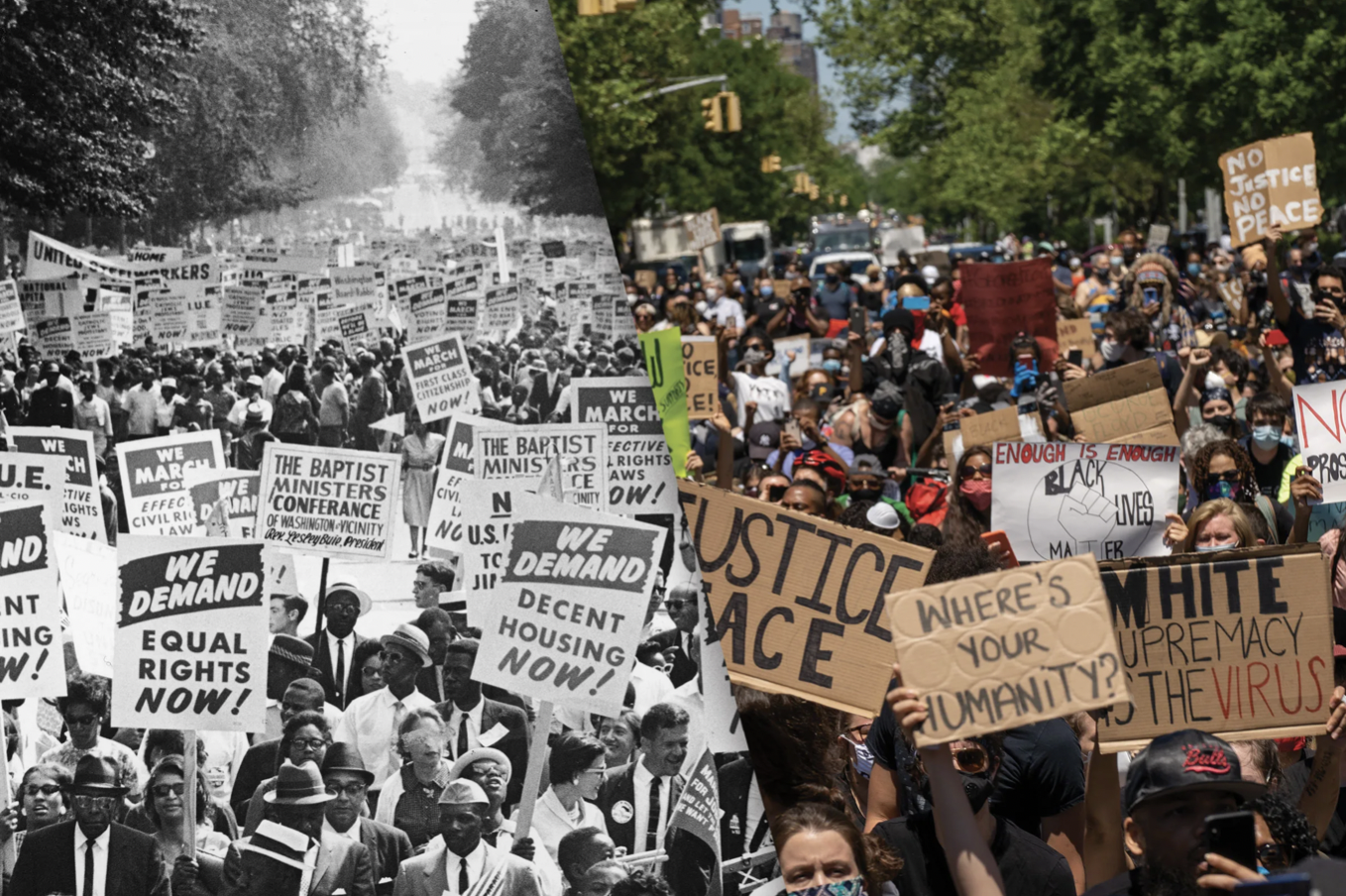
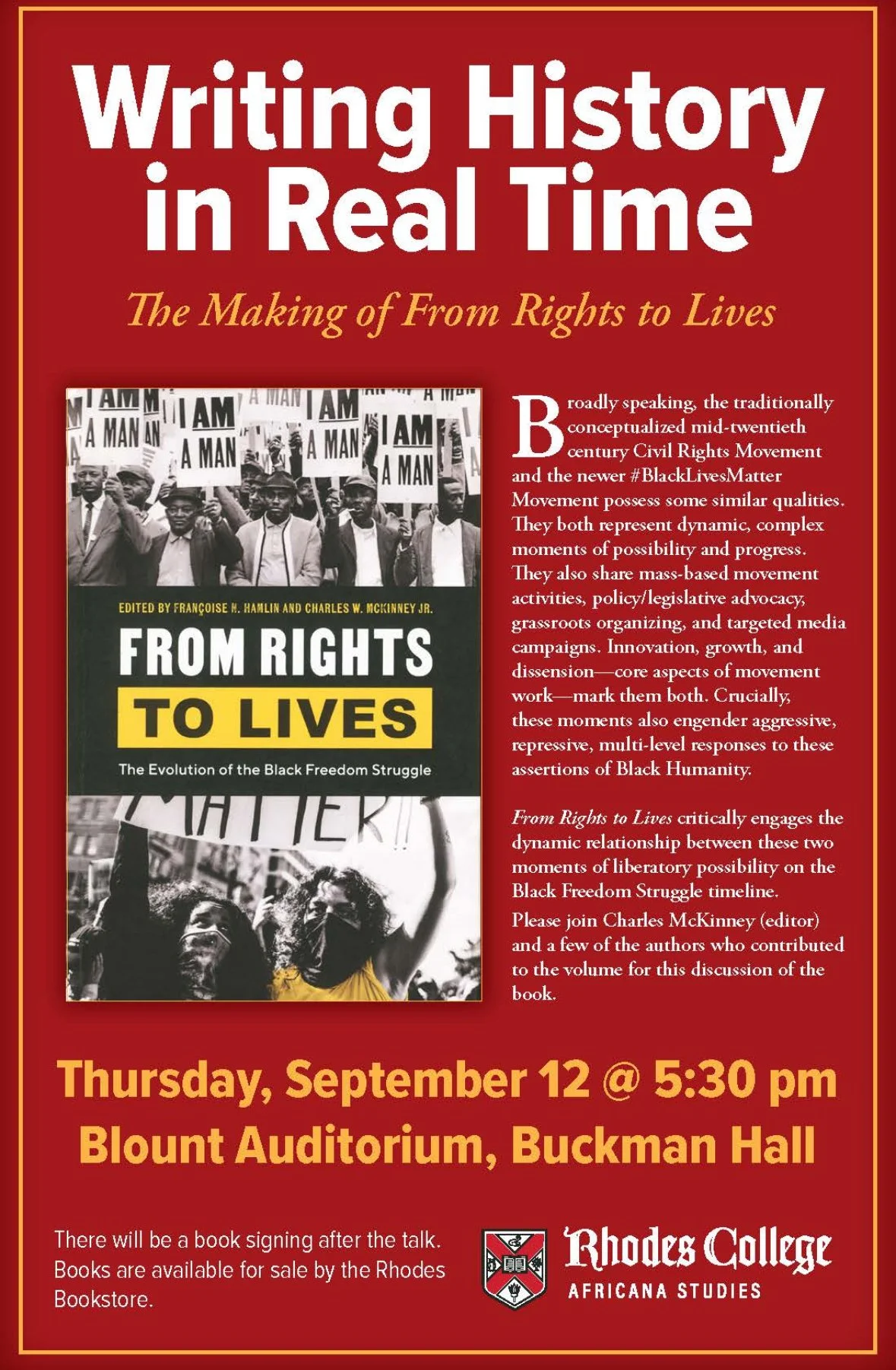
Book Launch -From Rights to Lives: The Evolution of the Black Freedom Struggle
Join me along with book Editor Dr. Charles McKinney and chapter author David Mason for a book launch to celebrate this edited volume that puts the Civil Rights Movement in Conversation with #BlackLivesMatter.
Taking its title from the misinformed slogan of Black youth of #BlackLivesMatter, my chapter is entitled“Sincerely, Your Grandparents’ Hands”: Elucidating Similarities between the Trayvon Martin Generation of #BlackLivesMatter and the Emmett Till Generation of the Civil Rights Movement.
The chapter seeks to promote intergenerational solidarity by highlighting similarities between the Emmett Till and Trayvon Martin Generations. In addition to both generations being radicalized by the white vigilante killing of a Black youth, the chapter highlights how the Grandparents of #BlackLivesMatter youth who are often viewed as passive and docile were actually the radical youth of the Civil Rights Movement who founded SNCC that birthed the Black Power Movement in 1966.
To achieve this, the chapter combats two master narrative myths of the Civil Rights Movement:
The myth of messiah leadership that is combatted by highlighting local, intergenerational grassroots organizing
The myth of passive nonviolence that is combative through highlighting the ways that armed self defense was a necessary aspect of the Civil Rights Movement.
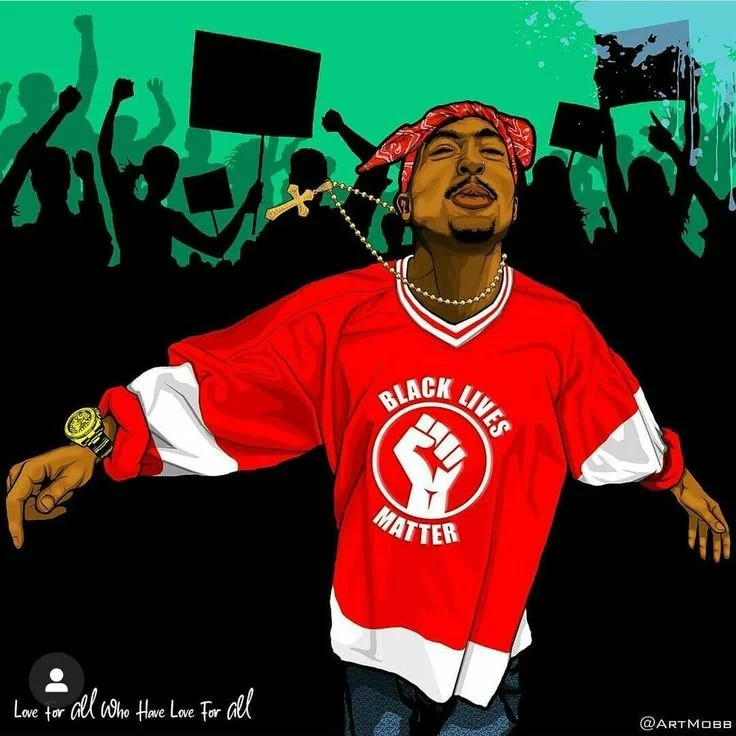
-THUGLIFE and BLACK LIVES MATTER: Tupac as a Symbol of Rebellion for the Trayvon Martin Generation
Description: The 54th Annual Conference is dedicated to commemorating, (re)examining, (re)activating, and advocating for Black lives in the 60 years since the passage of the Civil Rights Act and 10 years of the Ferguson Uprising. This conference centers the current state of the Black community largely. More specifically, it focuses the intergenerational/transgenerational ways in which sociologists and scholarly/community partners face, confront, and contribute to the eradication of pervasive anti-Black threats and acts, as preservation for reimagining, contemporary Black freedoms and liberation.

The Black Ecologies Field School in New Orleans
I will be joining a diverse group of learners to traverse different areas of the city and just listen to the ways different folks were communicating meaning related to their own experiences and viewpoints. Such a wide array of voices in the room, I appreciated the opportunity to mostly ear hustle in conversations.
For me, placemaking became a throughline and I started thinking about how New Orleans has a very public tourist culture but the residential culture, not so much. In some ways, and increasingly due to climate issues, the weather keeps people inside and in other ways, the tourism industry seeks to control Black mobility to preserve and commodify a certain type of Blackness in the city.
Although political and economic stakeholders are constantly attempting to leverage the lore and exploit residents of Black New Orleans for capitalist gain in the interests of a whiteness that not only oppresses people but destroys the environment… Black Ecologies of the are a testament to resilience and elucidate ways Black people deepening their connection to the biological environment is ground zero for liberation.
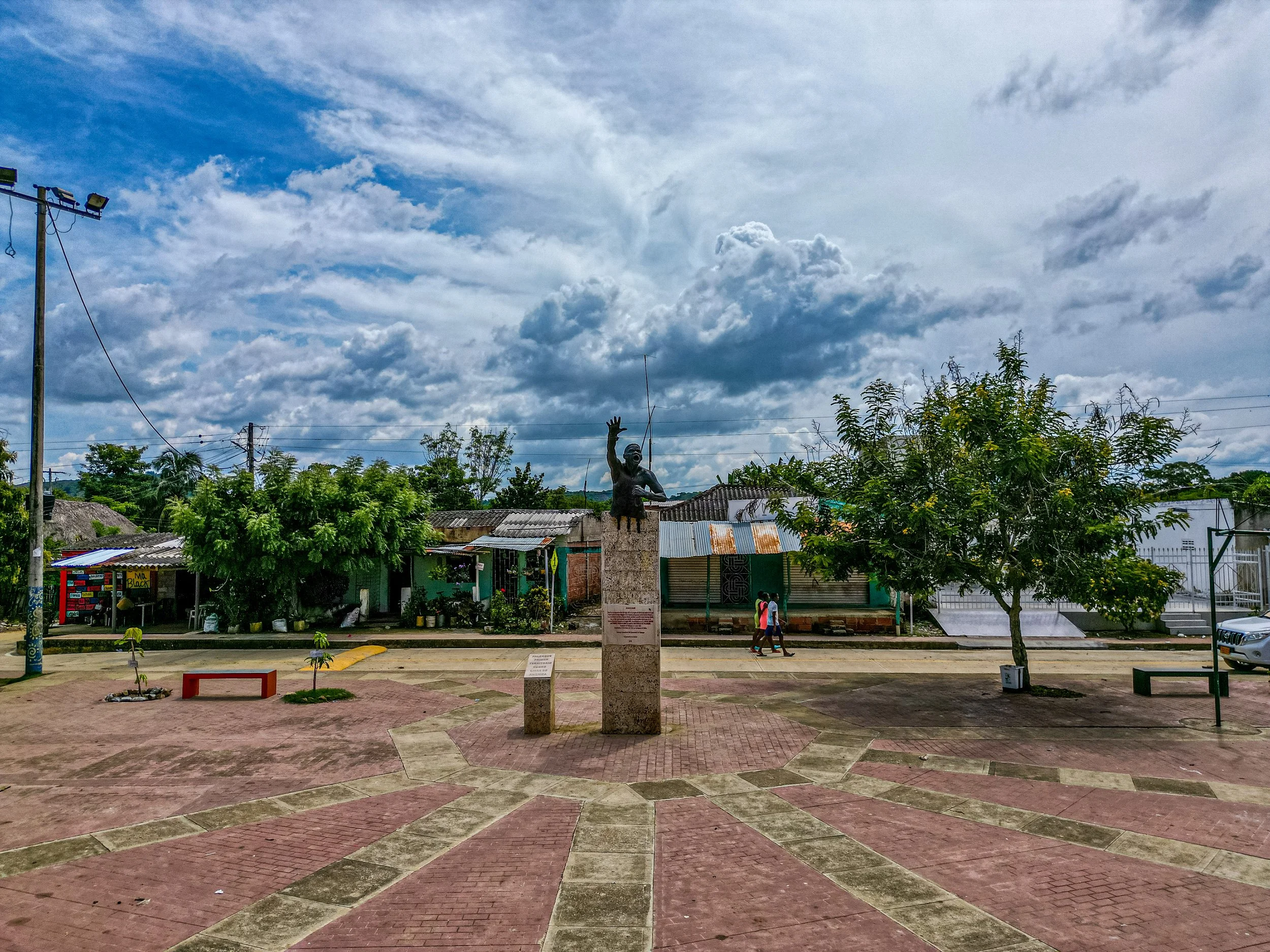
Film Screening" "A Corner of African in Colombia"
This is my first offering as a Marroon Storyteller. This film looks at how residents of Palenque de Benkos; descendants of African maroons that established the “First Free Black Town in the Americas” in 1607 outside of Cartagena, Colombia view themselves as Africans. The film centers around spirituality, art, food, and agriculture to show the importance of the African traditions in the Palenquero identity and culture.
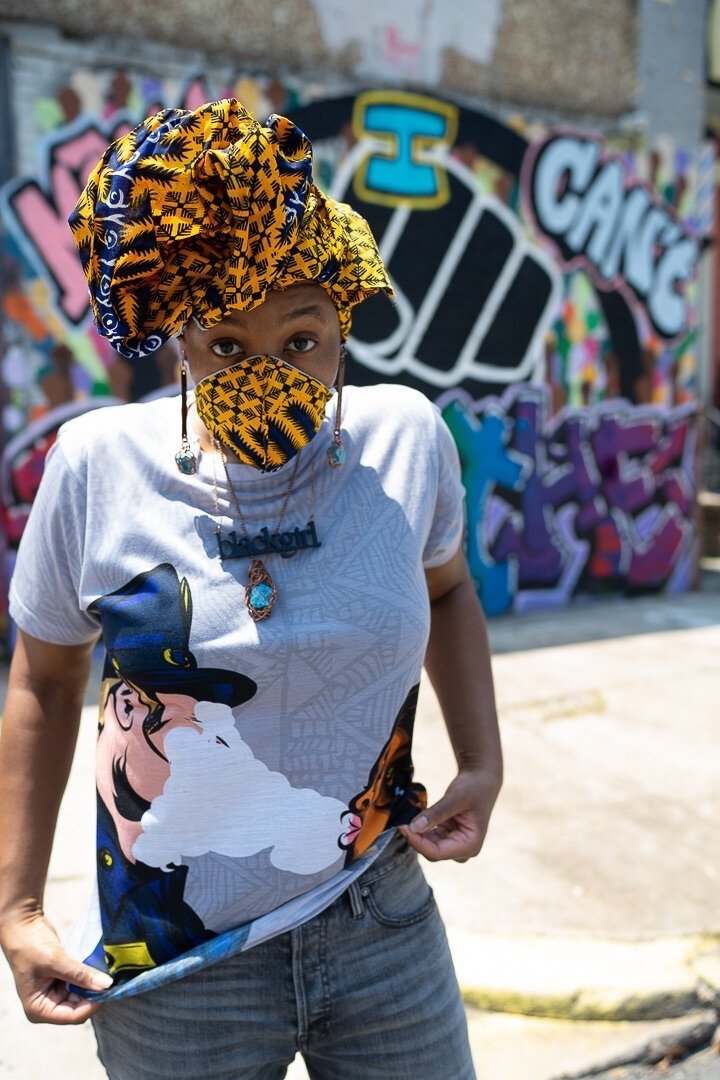
Research Fellows Colloquium: Systemic Police Terrorism - A Conceptual Framework
As a part of the Hutchins’ Center 2023-2024 Fellows Colloquium Series, I will be presenting my current work to introduce a new conceptual and methodological framework to understand the phenomenon I am naming as Systemic Police Terrorism in Targeted Black Communities. This framework is centered on an introducing new understanding of the way poicing and its nexus terrroize Black neihborhooods and communities and centers its focus on the non-fatal terror we suffer as a result.
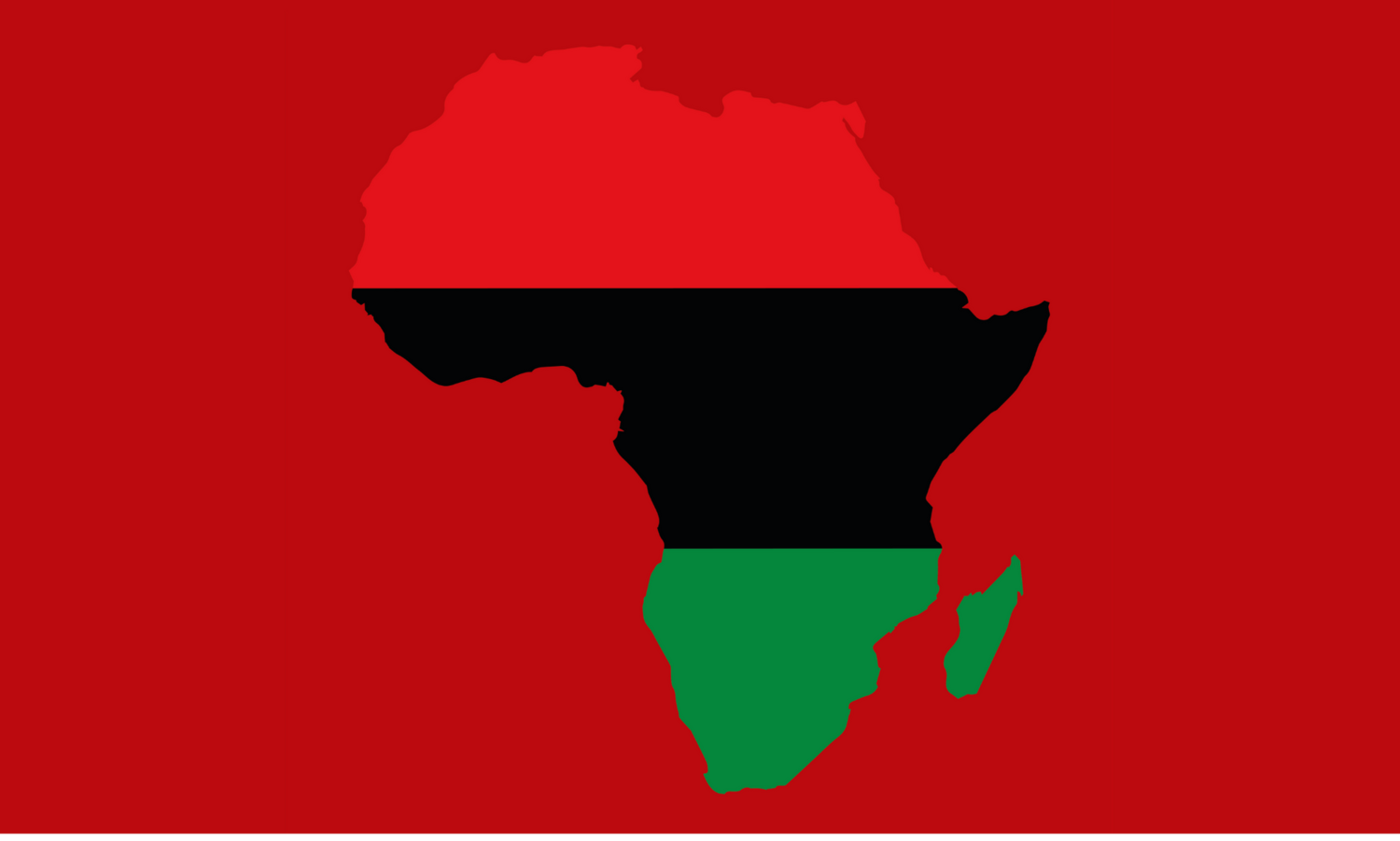
Panel Discussion: The African Diaspora and Post-Colonial Reparative Justice
As part of the Harvard Kennedy School Carr Center for Human Rights Policy Symposium on Global Anti-Blackness and the Legacy of the Transatlantic Slave Trade, I am participating on a panel discussion about the role of the African diaspora and other international actors to address the lasting impacts of the Maafa on both sides of the Atlantic.
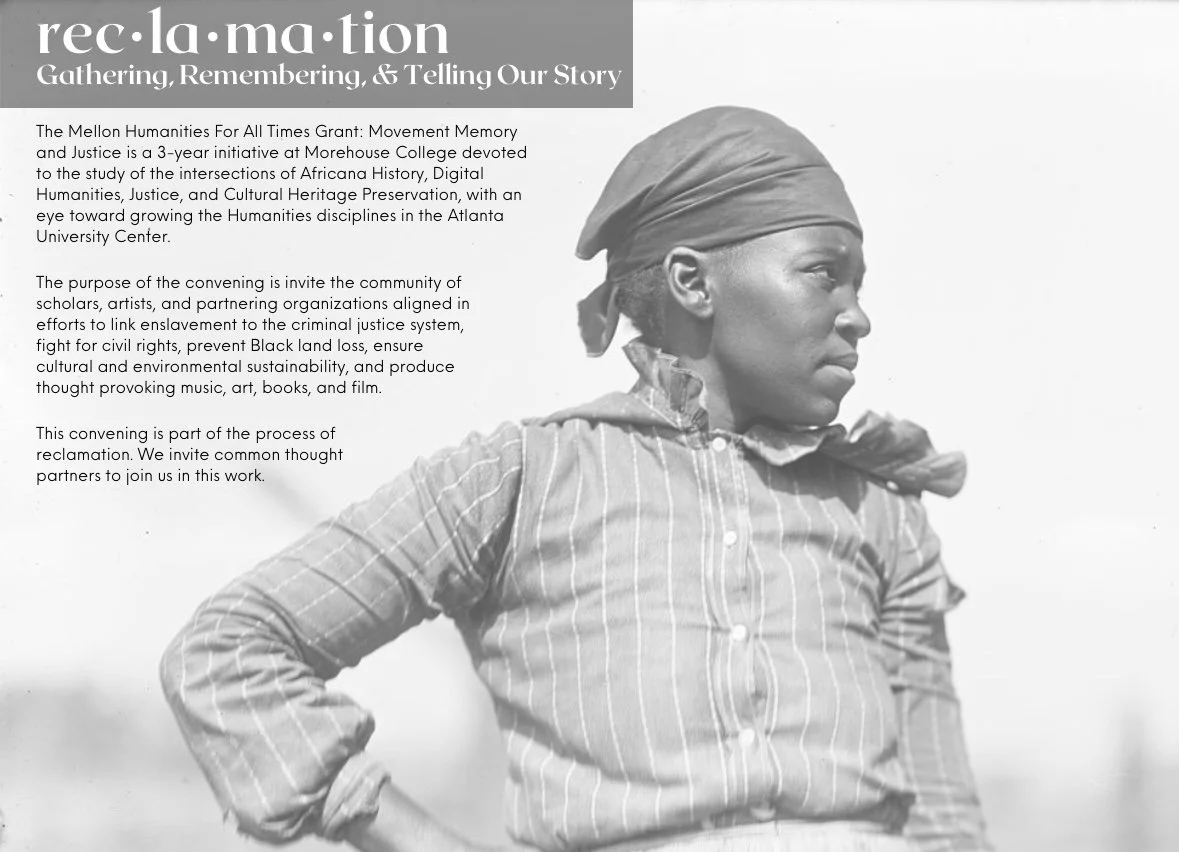
Panel Discussion: Hip Hop - Revolution and Liberation
As a Part of the Morehouse Movement Memory and Justice initiative, I am speaking on a panel about the role of HipHop in efforts to reclaim our History for the sake of securing our Future. The panel addresses the role of HipHip in Storytelling and mapping our experiences, providing data to study our conditions, and the creative outlet that fuels our dreams of an Afrofuture